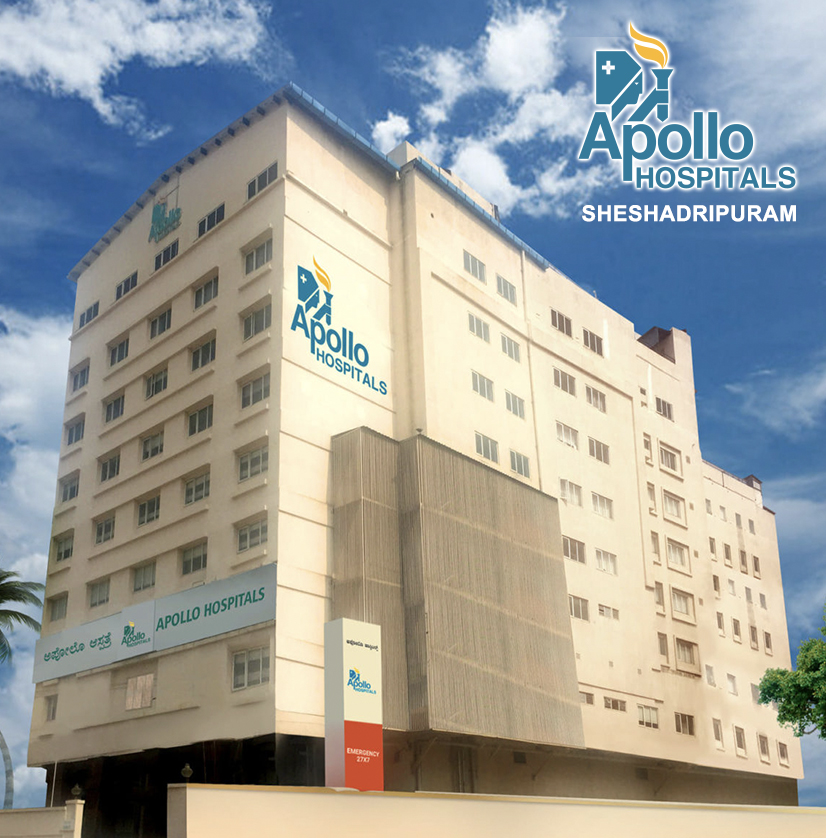
CT Scan: Coronary Angiography - Apollo, Sheshadripuram Bengaluru.
CT Angiography is a non-invasive procedure that helps in detecting minute blockages of the arteries of the heart. The images obtained through this procedure are sharp and crystal clear, enabling cardiologists to spot even the smallest of blockages at a very early stage. It is also used to determine the conditions of the stents and bypass surgery grafts of patients who have had angioplasties or CABG. Apollo Hospitals, India was the first in the country to introduce this sophisticated cardiac investigation.
CT Coronary Angiogram - An Overview
A CT Coronary Angiogram is a diagnostic imaging test that produces 3D images of your heart and blood vessels that supply blood to your heart. Your doctor may use the information obtained from this test to know more about your medical condition and also to decide the best course of action to treat you.
Why do I need it?
CT coronary angiogram can identify damaged arteries or veins and detect plaque (fatty/ calcium deposits) in the coronary arteries. A CT angiography provides the doctor with more-accurate images of your blood vessels. This helps you and your doctor discuss a treatment plan if the test suggests any heart problem. Doctors recommend CT angiography for the following few reasons:
- To find clogged blood vessels that is formed by plaque (fatty material) in the walls of arteries
- To find formations of an abnormal blood vessel inside our brain
- To find an enlarged blood vessel that may rupture (aneurysm)
- To find blood clots that could have developed in the leg veins and may have traveled into our lungs
- To detect blood vessels that are damaged by thoracic surgery
Information obtained from CT angiogram can help in preventing a heart attack or stroke.
Any risks involved?
It carries a small amount of risk as the test is often invasive in nature and you will also be exposed to some radiation during this diagnostic test. Pregnant ladies are strictly prohibited from having a CT Angiogram as it may harm the unborn baby. In addition, you may possibly have an allergic reaction to the use of iodinated contrast media (radiographic dye, or ‘dye’ as usually referred to) used in this procedure. Speak to your doctor about your concerns if you think you will have allergic reactions.
What about Diabetics?
Diabetic patients should take light breakfast or lunch three hours before the scan timing. Following your CT scan, depending on your diabetes insipidus medication, detailed instructions will be provided to you.
What happens after CT angiogram?
After the procedure, once CT angiogram is completed, one can return to normal daily activities. It is advisable to drink plenty of water to help flush the dye from the body.
Conclusion
The results of the test will be discussed by your doctor. Regardless of the results, it is important to make lifestyle changes to help protect your heart – stop smoking, eat heart-healthy foods, exercise regularly, and manage risk factors like diabetes, blood pressure, cholesterol, body weight, stress and above all, get your heart checked periodically.